Vermont AI Intake Forms in 2026: How Service Businesses Qualify Leads Faster
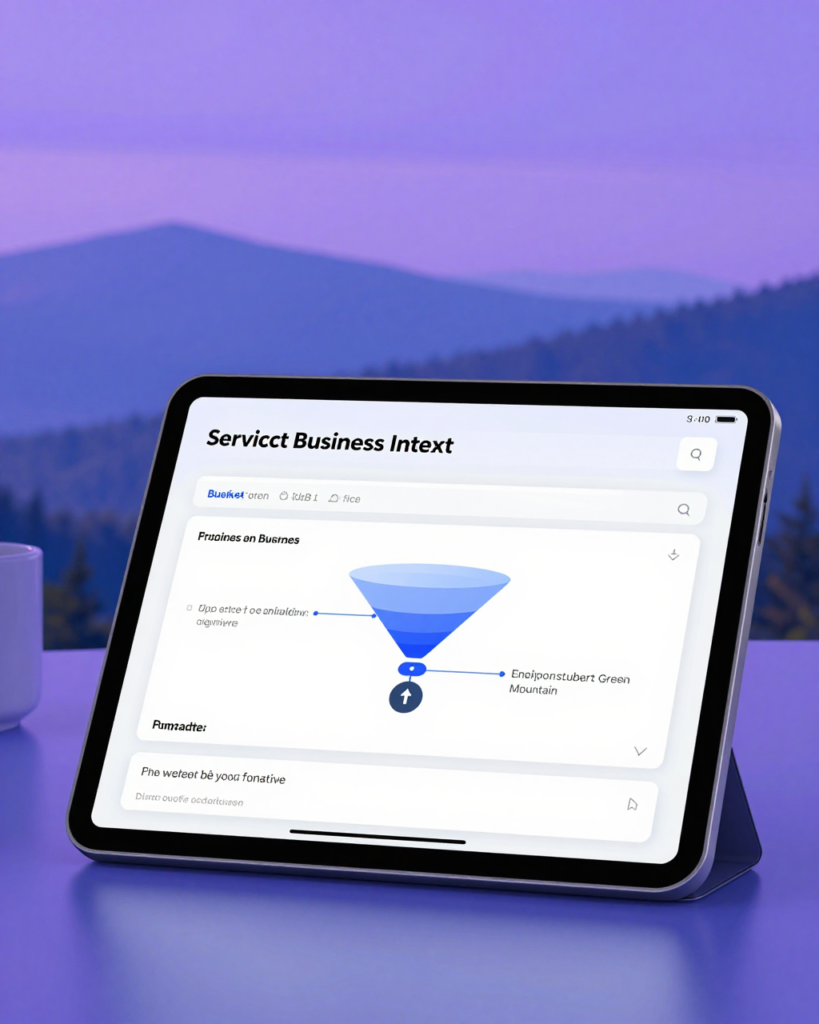
Vermont AI Intake Forms for LLCs - inline illustration
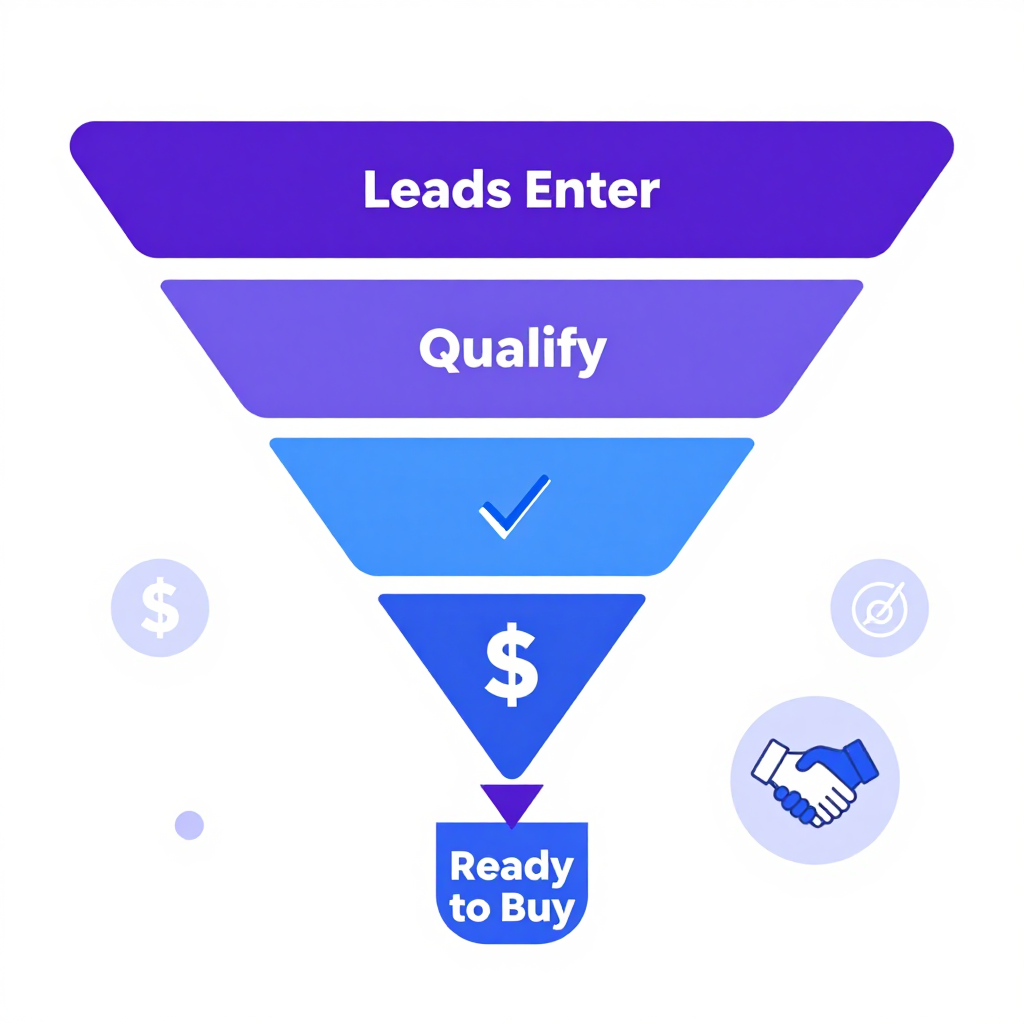
Vermont AI intake forms for LLCs in 2026 are the workflow tool that most service businesses in the state build last or skip entirely. You open a new business. You post on Google and a few directories. The inquiries start coming in. Some are ready to hire. Some are just looking. Some need a service you do not offer. Your team spends hours sorting through all of it, calling people who will never book, emailing leads who went silent days ago. The problem is not your website. The problem is that no one filtered the leads before they reached your inbox. AI intake forms fix that, and doing it right in Vermont takes less setup than most owners expect.This article walks through what AI intake forms actually do for Vermont service businesses, which workflows to automate first, how to connect the intake data to your LLC compliance obligations, and which tools make the whole thing work without hiring a developer.## What an AI Intake Form Actually Does That a Regular Form CannotA regular web form collects a name, an email, and a message. That is useful. It also leaves your team to figure out what to do with the information. An AI intake form collects the same basic contact data and then asks better questions. What service do you need. What town or region are you in. What is your timeline. Are you currently working with another provider. Do you have a budget range in mind. The AI reads the answers in seconds and scores the lead or routes it to the right team member.That scoring is the part that changes the workday. A lead who ranks high on intent gets a same-day call. A lead who ranks low gets an automated follow-up scheduled for the following week. A lead who needs a service the business does not offer gets a polite referral or an FAQ response instead of a wasted call. The team stops chasing every inquiry and starts working the pipeline that actually converts.The Harvard Business Review analysis on AI in sales automation found that AI-assisted lead scoring increased conversion rates by driving more purposeful human outreach. The data backs what many Vermont service businesses already feel: the problem is not enough leads. The problem is too many of the wrong ones reaching the team at the wrong time.## How Vermont AI Intake Forms Qualify Leads Before Your Team Makes a CallNot every automation needs to launch on day one. These five workflows give the fastest return on setup time for a Vermont LLC running a service business.### Lead Qualification RoutingRoute every new inquiry by service type and urgency before a human reads it. A prospect asking about Vermont registered agent service goes to one bucket. A prospect asking about annual report filing goes to another. A prospect asking about a new LLC formation goes to a third. The AI reads the form response and makes that call in under a minute.Qualification routing cuts the time your team spends on unqualified leads by roughly half in most service businesses. Your team stops calling prospects who need something you do not offer. They stop calling prospects who are not planning to buy within ninety days. The AI handles the sorting. Your team handles the conversations that pay.### Compliance Urgency DetectionFlag Vermont compliance deadlines as buying urgency triggers. Vermont LLCs file biennial reports with the Secretary of State by the filing anniversary month. The Vermont Secretary of State Corporation and Business Services Division handles those filings. An LLC due for a biennial report has a hard deadline driving its purchasing decisions. An AI intake form can flag that urgency in the lead’s own answers. Your team knows which prospects need to hear from you this week, not next month.### Appointment Scheduling IntegrationRoute high-intent leads directly into a calendar booking link without manual coordination. The AI confirms the lead is qualified, sends a scheduling link by email or text, and books the appointment before your team has to make a single call. For a solo operator or small team in Burlington or Rutland, this alone can recover an hour or two per day.### Service Area QualificationFor Vermont service businesses that travel to clients, the intake form can confirm whether the prospect is in the service territory before routing the inquiry. A contractor who serves only Chittenden County does not need to take a call from a prospect in St. Johnsbury. An AI intake form filters by zip code and routes accordingly.### Follow-Up Sequence TriggerWhen a lead completes the intake form but does not book an appointment, the AI triggers a follow-up sequence. That sequence might be a check-in email three days later, a text with a scheduling link, or a reminder about a filing deadline that affects the prospect’s business. The follow-up runs on a timer. Your team does not have to remember to send it.## How Vermont LLC Compliance Connects to Smarter IntakeRunning an LLC in Vermont means staying current on state filings. The biennial report is the most common one. Missing it puts the LLC in delinquent status, which shows up on the public business record at bizfilings.vermont.gov. That public record is what vendors, lenders, and sometimes clients check before signing a contract.When a prospect fills out an AI intake form and mentions a compliance deadline in their answers, that is a high-intent signal. An LLC owner who knows their biennial report is due in sixty days is more likely to purchase registered agent or filing services than someone who just filed recently. Your intake workflow should surface that signal to whoever handles follow-up.Rapid Registered Agent handles the registered agent designation and the ongoing Vermont compliance filings so Vermont LLC owners can focus on their clients and their pipeline. The intake form does not file the biennial report. It tells your team when to reach out with the right offer at the right moment. For a deeper look at how the Vermont public record works and what appears there, see the guide on Vermont small-business trust signals and the registered agent’s role.## Which AI Intake Form Tools Work for Vermont Small TeamsYou do not need a custom-built solution. Several tools handle this well for Vermont service businesses with one to ten team members.Jotform and Typeform both have AI-assisted intake features that work without code. You can build the form, connect it to a lead scoring model, and route results to an email address or CRM without touching a developer. For a team of one or two, that is often enough.For businesses that want deeper automation, integrating with a CRM like HubSpot or a scheduling tool like Calendly extends the intake workflow into a complete pipeline. The intake form qualifies the lead. The CRM logs the interaction. The scheduling tool books the call. That chain runs without manual intervention after the initial setup.The key is choosing a tool that asks the right qualification questions for your specific business and your specific Vermont service-area. A registered agent referral business and an HVAC contractor in Burlington need different intake questions. Build the form around your actual sales process, not around what the tool defaults to.For a broader look at how AI tools are changing the way small service businesses handle lead intake, see the guide to Colorado AI call notes for service businesses in 2026, which covers a related set of automation workflows that pair well with intake forms.According to NIST’s AI Risk Management Framework, organizations deploying AI in customer-facing workflows should establish clear oversight mechanisms — relevant for Vermont LLCs that use AI intake forms to route or score leads before human review.The IRS guidance on small business and self-employment tax provides the tax filing context that Vermont service businesses need when they first start earning revenue through leads generated by AI intake forms.The Vermont Secretary of State business filing portal is where Vermont LLCs manage biennial reports and constituent information that often surfaces as urgency in intake form responses.The SBA’s guide to hiring your first employee in Vermont covers the compliance steps that service businesses need to complete once an AI-qualified lead converts to a paying client and the LLC is ready to hire.## What a Good Intake Question Set Looks LikeThe questions in the form drive everything. A form that asks too little produces the same result as a regular contact form. A form that asks too much loses prospects before they submit. Here is what works for most Vermont service businesses.Open with the service needed. A simple dropdown or multiple choice question keeps the response structured. Follow with location — town or zip code — to confirm service area. Then timeline: when do you need this. Then budget range or current provider status, which are the two strongest intent signals in service businesses. Close with contact information.That is five to seven questions. It takes under two minutes to complete. The AI reads the answers and routes the lead before your team opens their inbox.Avoid asking for information that is not needed for qualification. Social Security numbers, entity documents, or detailed financials do not belong in an intake form at the top of the funnel. Collect that later, in a separate secure step, after the lead has been qualified and is actively moving toward a contract.## Common Mistakes That Kill the Intake Workflow Before It StartsPutting the form behind a wall of gated content is the most common mistake. If a prospect has to give an email address just to see the questions, some of the best leads will leave before they start. Keep the intake form visible and ask for contact information at the end, after the prospect has already answered the qualification questions.Not connecting the form to a real follow-up process is the second mistake. An intake form that dumps results into an email inbox that no one monitors does not qualify leads. It just moves them to a different inbox. Before launching the form, confirm that someone owns the follow-up queue and that the routing rules point to the right person.Ignoring the data over time is the third mistake. The AI scoring improves with feedback. When a lead that scored high does not convert, flag that outcome so the scoring model can be adjusted. When a low-scoring lead that was deprioritized actually converts, look at why the qualification rules missed it. The intake form gets smarter the more it is used.## Building the Intake Form Into a Vermont LLC Growth SystemThe intake form is not a standalone tool. It is the first layer of a lead management system. The qualification rules route the inquiry. The follow-up sequence keeps the conversation going for leads that do not immediately book. The compliance urgency flags in the form answers tell your team when to move fast. The CRM logs everything so the history travels with the lead.For a Vermont service business that relies on inbound inquiries, this system replaces the chaos of an overflowing inbox with a structured pipeline. The AI handles the sorting. The team handles the selling. The LLC compliance calendar keeps the business in good standing so the reputation built through smart lead management stays intact.For a related workflow that pairs intake forms with AI-assisted call notes, see the guide to AI chatbots for registered agent leads in 2026, which covers how AI handles initial inquiries before the intake form even comes into play.Vermont AI intake forms for LLCs in 2026 come down to this: sorting the leads before the team starts calling saves hours every week and converts more inquiries into booked clients. The form takes twenty minutes to set up. The ROI shows up the first week.

Frequently Asked Questions

What is the difference between a regular contact form and an AI intake form?

A regular contact form collects basic contact information and leaves it to your team to determine whether the lead is qualified. An AI intake form asks structured questions about the prospect’s service needs, location, timeline, and budget, then scores or routes the lead based on that data before a human ever sees it.

Do Vermont service businesses need a developer to set up an AI intake form?

No. Platforms like Jotform and Typeform offer AI-assisted intake features that work without code. You can build the form, set up qualification routing, and connect it to an email inbox or CRM without touching a developer. For most Vermont small businesses with one to ten team members, that is sufficient.

How does an AI intake form connect to Vermont LLC compliance?

When a prospect fills out the intake form and mentions a compliance deadline such as a biennial report due date, that is a high-intent signal. The intake form can flag that signal for your team so the right follow-up happens at the right time. The form itself does not file the compliance report, but it tells your team when urgency is driving the prospect’s buying decision.

How many questions should a lead intake form ask?

Most effective intake forms ask five to seven questions covering the service needed, location or service area, timeline, and a basic intent signal such as budget range or current provider status. The form should take under two minutes to complete. Asking for detailed documents or sensitive information at this stage causes drop-off.

What happens to leads that do not immediately book after filling out the form?

An AI intake form can trigger a follow-up sequence for leads that do not book an appointment right away. That sequence might be a check-in email a few days later, a text with a scheduling link, or a reminder about an upcoming compliance deadline that affects the prospect’s LLC.

Can an AI intake form work for a solo operator?

Yes. A solo operator in a town like Burlington or Rutland benefits from intake automation even more than a larger team, because the solo operator has less time to waste on unqualified leads. Vermont AI intake forms handle the sorting so the solo operator can focus entirely on the qualified conversations that grow the business.

Vermont AI Intake Forms

Turn More Vermont Inquiries Into Qualified Leads Who Actually Hire You

AI intake forms qualify your leads before your team makes a single call. Rapid Registered Agent handles the Vermont LLC compliance side so your team can focus on the conversations that close. Build your intake workflow before your next ad campaign goes live.

Leads Qualified Before Outreach
Automated
Follow-Up Time Recovered
1-2 Hours Daily
Setup Without a Developer
Possible
Back To Top