Connecticut Reinstatement After Missed Annual Reports: LLC Recovery Steps for 2026

Connecticut reinstatement after missed annual reports is what an LLC needs when a quiet filing miss turns into a very public standing problem.
Most owners do not find out on the due date.
They find out when a bank asks for proof of active status, a lender pauses a file, or a vendor runs a state check and sees the LLC is no longer where it should be.
That is the bad moment.
The useful news is that Connecticut gives LLCs a path back.
The smart move in 2026 is to stop guessing, verify exactly what the Secretary of the State shows, and clean up the record in the right order, which gets the business moving again faster.
Why missed annual reports become a real Connecticut LLC problem
Connecticut requires LLCs to file annual reports every year.
The state’s annual report FAQ says the report is due each year between January 1 and March 31 for LLCs, which gives owners a clear filing window and less ambiguity.
The same FAQ says the Secretary may administratively dissolve an entity that is more than one year in default of its annual report filing obligation.
It also says the Secretary will not issue a Certificate of Legal Existence for an entity that has failed to file one or more annual reports.
That is why this problem hits so hard.
The LLC may still have customers, revenue, an EIN, and signed contracts.
But if the state record is overdue or dissolved, the business can lose trust at exactly the moment it needs it most, which slows everything down.
What Connecticut reinstatement after missed annual reports usually means in practice
Connecticut uses state-specific filing flows, and the exact screens can change over time.
But the recovery pattern is still familiar.
The owner has to confirm the LLC’s public status, identify which annual reports were missed, file what is overdue through the Connecticut business filing system, pay the required state fees, and then confirm the entity is back in active status, which restores practical options.
The Secretary of the State’s business services page points owners to Business.CT.gov for online filings.
That same business services page explains that most business filings can be handled online and that the business inquiry screen shows when the last report was filed and when the next report is due, which gives owners a clean starting point.
If you want the annual-report mechanics themselves, Connecticut’s annual report materials are also worth reviewing before you touch the recovery flow, because that helps you correct the record with fewer surprises.
Start by checking exactly what the state shows today
The first recovery step is not paying a fee.
It is looking up the LLC.
Use the Connecticut business inquiry tools through Business.CT.gov and confirm the business status, the last annual report on file, and the next due date if one is shown, which turns panic into a checklist.
This is where owners usually learn whether the LLC is still active but overdue, or whether it has already moved into administrative dissolution territory.
That difference matters because it changes how urgent the cleanup is and how many items may need to be fixed at once, which protects time.
Know what Connecticut says about annual report due dates and late consequences
Connecticut’s annual report FAQ says the LLC report is due each year between January 1 and March 31.
The same FAQ says there is no additional penalty fee listed there for missing the due date.
But that does not mean missing it is harmless.
The real cost is that the entity can lose access to a Certificate of Legal Existence and may be administratively dissolved if it stays in default long enough, which can block real business activity.
A 2021 Secretary of the State press release also states that the fee for LLCs to file annual reports is $80 and that the LLC filing period begins on January 1 with a March 31 deadline.
That public guidance is useful because it confirms the same calendar in plain language, which makes planning easier.
Do not assume the annual report can fix everything
One of the most important Connecticut-specific details is that the registered agent cannot simply be swapped through the annual report.
The Connecticut annual report FAQ says no, you cannot change your registered agent on the annual report.
It says a separate change of agent filing is required because the agent must accept appointment.
That point is easy to miss when an owner is rushing.
If the LLC missed annual reports because nobody was reliably receiving notices, then the registered-agent record may be part of the reason the compliance problem grew.
Fixing overdue reports without fixing an unreliable agent setup can put the LLC right back on the same path later, which wastes the rescue effort.
Recovery step 1: identify every overdue report year
Once the status is confirmed, list every overdue year that needs to be brought current.
This sounds obvious, but owners often focus only on the most recent missed report.
That is not enough if the record shows a longer gap.
Use the business inquiry details and your internal records together so you know what years need attention before you begin filing, which avoids repeat trips.
If you need the broader Connecticut deadline picture, our guide to Connecticut annual report filing checklist for LLCs in 2026 fits naturally here and helps you double-check the normal cycle, which reduces mistakes.
Recovery step 2: confirm the LLC name and core record are still usable
If the LLC has been off track for a while, do not stop with the status screen.
Confirm the business name, principal office details, member or manager information, and any other visible data that the state record still needs to reflect correctly, which prevents a partial fix.
If there is any concern about whether the name is still available or whether a related filing issue needs attention, our piece on Connecticut LLC name availability and reservation in 2026 is the logical next read, which gives owners a cleaner naming backup plan.
Recovery step 3: fix the registered-agent issue if one exists
If the registered agent changed, the agent address changed, or the old setup was part of why notices were missed, handle that as its own state-record item.
Connecticut’s FAQ is clear that the annual report is not the tool for changing the agent.
That means an LLC owner who is trying to recover should treat the registered-agent line as its own compliance checkpoint, not an afterthought.
For some owners, this is the moment they stop using a home address or a person who is not reliably available during business hours.
If the LLC wants a more stable long-term setup, the internal service-side reference is the Connecticut registered agent service page, which helps the business move from reactive cleanup to steady coverage.
Recovery step 4: file the overdue reports through Connecticut’s online system
Connecticut’s business services guidance points filers to Business.CT.gov for online filings.
The business services page also says all online filing fees can be paid by major credit card and that most business filings can be filed online, which keeps the recovery path centralized.
For owners who are already behind, that is helpful because it reduces the chance of using the wrong channel.
File each overdue annual report that the system requires.
Pay the standard fee the state currently lists.
Keep the confirmation records.
Do not close the browser and assume you are done without saving receipts and screenshots, because proof of filing matters if another reviewer asks questions later.
Recovery step 5: confirm whether additional reinstatement or revival steps are required
If the LLC is already shown as dissolved, the cleanup may involve more than just filing the late reports.
Connecticut’s public guidance makes clear that overdue reports can lead to dissolution, but the practical filing flow can depend on the exact status shown in the business system.
That is why the owner should follow the state’s current Business.CT.gov path for the entity’s displayed status rather than relying on an old forum post or a generic out-of-state checklist.
Connecticut changes interfaces and filing paths over time.
The current portal is what matters.
If the screen shows an additional revival or reinstatement step, complete that step in the state’s system before telling any bank or vendor the business is active again, which protects credibility.
Recovery step 6: re-check active status before using the LLC again
After the filings are submitted, look the LLC up again.
Confirm that the record reflects the expected status.
Confirm that the last report filed date has moved.
Confirm that the registered-agent record is correct if that was updated separately.
This second check is not busywork.
It is the moment where you make sure the state record now tells the same story your business needs lenders, banks, and counterparties to see, which restores confidence.
What lenders, banks, and vendors usually care about after reinstatement
Most third parties do not care that the owner had a rough compliance quarter.
They care whether the entity is active now.
If a lender or vendor asked for proof, be ready to provide updated state status evidence after the record is restored.
That may include the refreshed public record and, when needed, a Certificate of Legal Existence once the overdue problem no longer blocks it.
The practical goal is simple: give the reviewer current proof from the state, not a promise that you “already handled it,” which closes the loop faster.
Mistakes that make Connecticut reinstatement harder than it needs to be
The most common mistake is waiting after the first sign of trouble.
The second is assuming the annual report can update the registered agent.
The third is filing one overdue year and forgetting there may be more.
The fourth is using unofficial mailers or third parties without checking the real state portal first.
Connecticut has even warned businesses about unofficial annual-report mailings that charge extra fees.
Filing directly through the state’s system cuts out that confusion, which keeps costs cleaner.
A simple 2026 Connecticut recovery checklist
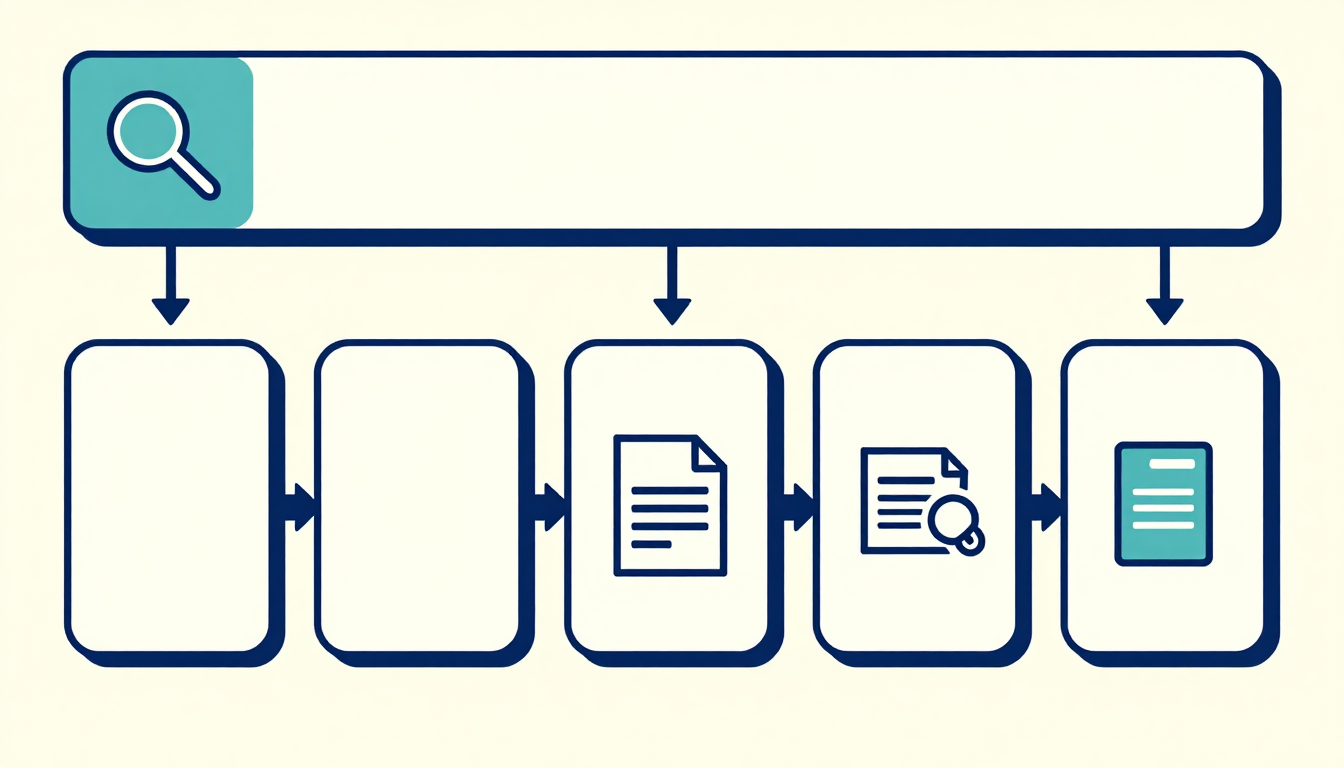
Use this sequence if the LLC missed annual reports and now needs to recover:
- Look up the LLC in Business.CT.gov and confirm the exact current status.
- Identify every overdue annual report year shown in the record.
- Review whether the registered-agent record is still accurate.
- File any separate agent-change step if the current agent setup is wrong.
- Submit each overdue annual report through the state’s online system.
- Pay the required state fees shown in the live filing flow.
- Re-check the public record after submission.
- Only after the status is corrected, give updated proof to banks, lenders, or vendors.
That order keeps the cleanup practical and keeps the owner from solving the wrong problem first, which saves time.
Related reading
- Connecticut Annual Report Filing Checklist for LLCs in 2026
- Connecticut LLC Name Availability and Reservation in 2026
- Connecticut Registered Agent Service
Frequently Asked Questions
What happens if a Connecticut LLC misses an annual report?
Connecticut says the Secretary may administratively dissolve an entity that is more than one year in default of its annual report filing obligation. The state also says it will not issue a Certificate of Legal Existence for an entity that has failed to file one or more annual reports.
When is a Connecticut LLC annual report due?
Connecticut’s annual report FAQ says the LLC annual report is due each year between January 1 and March 31.
How much is the Connecticut LLC annual report fee?
A Connecticut Secretary of the State press release states that the fee for LLCs to file annual reports is $80. Owners should still confirm the current amount in the live state filing system before paying.
Can I change my registered agent on the Connecticut annual report?
No. Connecticut’s annual report FAQ says a separate change of agent filing is required because the agent must accept appointment.
Can a Connecticut LLC get a Certificate of Legal Existence while annual reports are overdue?
No. Connecticut says the Secretary will not issue a Certificate of Legal Existence for an entity that has failed to file one or more annual reports.
What is the first step in Connecticut reinstatement after missed annual reports?
The first step is to look up the LLC in Business.CT.gov, confirm the current status, and identify every overdue filing before submitting anything.
Bottom line
Connecticut reinstatement after missed annual reports is easier when the owner treats it like a record-repair project instead of a guessing game.
Check the state status first.
Bring every overdue report current.
Fix the registered-agent issue separately if it is part of the problem.
Then confirm the public record before you go back to the bank, the lender, or the next filing office.
Connecticut reinstatement after missed annual reports works best in 2026 when the LLC cleans the state record all the way through instead of stopping halfway.
Connecticut LLC recovery
Bring the Connecticut record back into shape before it costs you more.
Missed annual reports can turn into standing problems fast. Use a dependable registered agent service that helps your LLC stay reachable, organized, and easier to keep active.
- States Covered
- 50 + DC + PR
- Serving Businesses Since
- 2007
- Plans Start At
- $10/mo per state