
Using AI to Triage Service-of-Process Mail Across Multi-State Entities in 2026

Service-of-process mail is one of the worst places to rely on improvised workflows.
By the time the wrong person notices the mistake, the deadline risk is already growing.
That is why multi-state companies are starting to use AI for triage, not final decision-making.
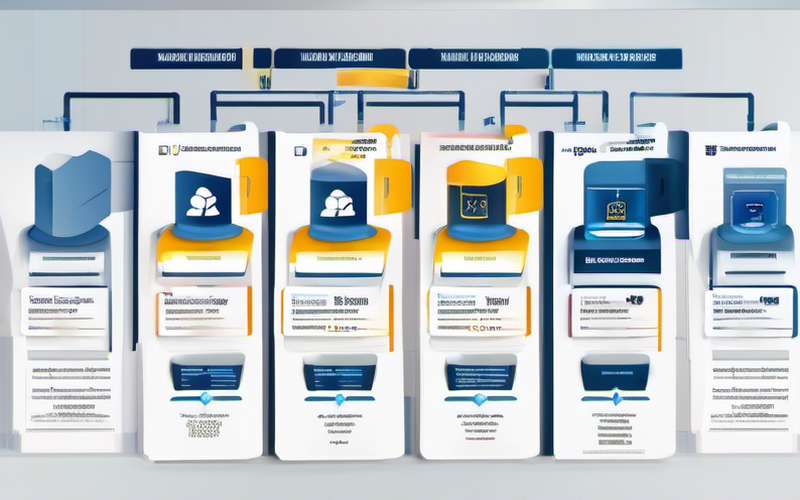
What AI triage should handle
For service-of-process workflows, AI is best used for the first layer of work:
- reading the document
- identifying the entity
- spotting urgency markers
- routing it to the correct team
- creating a clean intake summary
This is different from deciding litigation strategy. The job here is operational speed and consistency.
Why multi-state businesses struggle more
The problem gets harder when a company has:
- many legal entities
- multiple operating brands
- multiple states of registration
- several internal owners for legal notices
- different outside-counsel relationships
In that environment, a document can be real, urgent, and still sit idle because nobody immediately knows which entity owns it.
The triage questions AI should answer first
Before anything else, the system should try to answer:
- Which entity is named?
- Which state or court is involved?
- Is this actually service of process or another kind of notice?
- Does the document contain deadline language?
- Who is the default internal owner for this entity and state?
That first pass can remove a lot of manual sorting work.
Entity matching is the core challenge
For multi-state companies, the hardest problem is often not reading the document. It is matching it correctly.
An AI workflow should compare the document against a controlled entity list that includes:
- legal entity names
- DBA variants
- state registration names
- common abbreviations
- known subsidiaries or special-purpose entities
Without that reference layer, AI can summarize a document well and still route it to the wrong team.
What high-confidence triage looks like
A good service-of-process workflow should produce a short, structured output such as:
- probable entity
- jurisdiction
- document type
- confidence level
- stated response deadline, if visible
- recommended recipients
- source-file link
That is more useful than a long paragraph summary because busy legal and compliance teams need the decision frame first.
When the system should escalate harder
AI should trigger immediate human review when:
- confidence in entity matching is low
- multiple entities are plausible
- the scan is incomplete or blurry
- the document references a hearing, summons, or response deadline
- the mail references a state where the company has unusual structure
The system should be biased toward over-escalation, not silent certainty.
How to prevent false confidence
The biggest failure mode is a system that sounds certain when it is not.
To reduce that risk, build the playbook so it:
- shows confidence levels clearly
- preserves the original scan
- separates extracted facts from inferred routing suggestions
- requires humans to confirm receipt on critical matters
This keeps the workflow useful without pretending it is infallible.
A practical model for 2026
- Registered-agent mail is scanned or uploaded.
- AI identifies the likely entity, state, and document type.
- The system checks a controlled entity directory.
- The item gets an urgency and confidence label.
- Critical or uncertain items go to legal and compliance immediately.
- A human confirms the match and next-step owner.
- The final handoff is logged.
That model works because it keeps AI at the triage layer, where it is strongest.
Why this matters for registered-agent workflows
Registered-agent mail is often the earliest formal signal that something needs attention.
If that intake point is messy, every downstream team feels it:
- legal
- operations
- finance
- executive leadership
If the intake point is structured, escalation becomes much easier.
That is why companies often get the most value not from “more AI,” but from better coordination between registered-agent intake and internal notice routing.
Frequently Asked Questions
Should AI respond to service of process automatically?
No. AI should help classify and route the document, but response decisions should remain with qualified humans.
What is the biggest triage challenge in multi-state companies?
Correct entity matching across similar names, multiple states, and overlapping ownership teams.
What should the system output first?
A structured intake record with entity, state, document type, urgency, confidence, and recommended recipients.
Why is confidence scoring important?
Because a wrong confident answer is more dangerous than a clearly uncertain one.
Where does a registered agent fit into this workflow?
The registered agent is often the front door for formal legal notices, so the quality of that intake process affects everything downstream.
Final takeaway
In 2026, AI is most useful for service-of-process triage when it speeds up entity matching, flags urgency, and hands the document to the right humans faster.
The winning workflow is not fully automated. It is controlled, auditable, and fast enough that a formal notice does not get lost between states, entities, and teams.
Rapid Registered Agent can support that model by helping make the front-end notice flow more stable before internal triage begins.
AI + Legal
AI Triage for Service of Process
Automatically prioritize and route legal documents with AI-powered service of process triage. Never miss a critical court deadline again.