
AI Playbooks for Escalating Urgent Legal Mail to the Right Team in Minutes
Urgent legal mail does not become less urgent because it landed in the wrong inbox.
For fast-growing companies, that is the real problem. The mail arrives. Someone scans it. Someone forwards it. Someone else asks who owns it. Hours disappear before the right person even sees it.
That delay is exactly where an AI playbook can help.
What an AI playbook should do
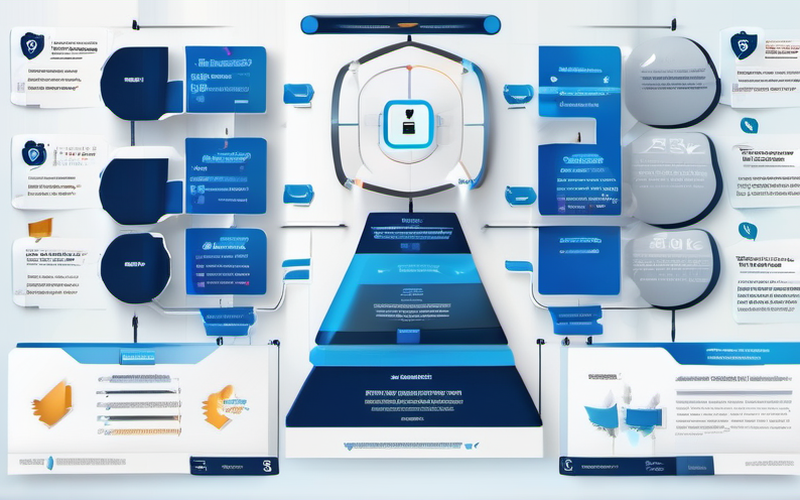
An AI playbook is not just a prompt. It is a repeatable routing system that tells your team:
- what to look for
- what counts as urgent
- who gets notified first
- what records must be preserved
- when a human must step in immediately
For legal mail, the goal is not automation for its own sake. The goal is faster, cleaner escalation with less guesswork.
Which mail belongs in an urgent-legal workflow
Most companies should build a playbook around categories such as:
- service of process
- lawsuit notices
- subpoenas
- garnishment or levy notices
- secretary-of-state delinquency notices
- tax agency notices with hard deadlines
- compliance notices tied to entity status
Not every legal-looking document needs the same escalation path. That is why classification comes first.
The first rule: classify before you summarize
Teams often jump straight to summarization. That is backwards.
The first job of the system is to determine:
- what kind of document it is
- whether it has a deadline
- whether it names a court, agency, or case number
- whether it appears to require same-day review
Only after that should the system create a short summary for the receiving team.
What a good escalation playbook includes
A useful playbook usually has five layers:
1. Intake rules
The system should capture:
- date received
- source channel
- entity name
- jurisdiction
- document type
- deadline language
2. Priority labels
Use simple labels such as:
criticalhighstandardreview needed
This works better than vague language like “important.”
3. Routing logic
Tell the workflow where each class of document goes:
- legal team
- founder or executive contact
- compliance team
- finance
- outside counsel
4. Human-review triggers
The playbook should force human review when:
- the system is uncertain
- the document references litigation
- the deadline is same-day or next-day
- the entity name is ambiguous
- the scan quality is poor
5. Audit logging
Every escalation should leave a record showing:
- when the document arrived
- how it was classified
- who was notified
- when the handoff happened
That log matters when someone later asks, “Who saw this and when?”
Why speed is not the only benefit
Good AI routing does more than save time.
It also:
- reduces missed handoffs
- standardizes how teams read legal mail
- prevents urgency from depending on one employee’s judgment
- gives leadership a clearer notice trail
For multi-state companies, that consistency becomes more valuable as entity count grows.
The biggest mistakes to avoid
Mistake 1: Letting AI make the final legal decision
AI should help classify and route. It should not replace legal judgment on what to file, answer, or ignore.
Mistake 2: Building one generic workflow for every document
Service of process and a routine annual-report reminder do not belong on the same path.
Mistake 3: Skipping confidence thresholds
If the system is unsure, it should escalate harder, not softer.
Mistake 4: Ignoring entity-level context
A company with many entities needs routing logic tied to the correct business name, state, and owner.
A simple 2026 workflow example
- A scan enters the intake queue.
- AI extracts the entity name, state, sender, and deadline language.
- The document is labeled as service of process, tax notice, compliance notice, or unknown.
- If the label is high-risk or uncertain, the system routes it to legal and compliance immediately.
- A short summary and source file link go to the right team.
- The system logs the escalation and waits for human confirmation.
That is the level of structure most companies need. Not magic. Not full autonomy. Just faster and more reliable escalation.
Frequently Asked Questions
What is the main goal of an AI legal-mail playbook?
To classify urgent documents quickly, send them to the right people, and preserve a clean record of what happened.
Should AI decide whether a lawsuit response is required?
No. AI can help route and summarize, but legal response decisions should stay with qualified humans.
Which documents deserve the fastest escalation?
Service of process, court notices, subpoenas, levy notices, and other time-sensitive documents with legal or regulatory consequences.
Why are audit logs important?
They help prove when the document arrived, how it was handled, and who was notified.
Who benefits most from this kind of workflow?
Multi-entity and multi-state businesses that receive legal and compliance mail across different teams and addresses.
Final takeaway
The best AI playbooks for legal mail do not try to replace judgment. They reduce routing delay, standardize urgency, and make sure the right human sees the right document fast.
If your company already relies on registered-agent mail as an early-warning channel, pairing that mail flow with a structured escalation playbook can materially reduce risk.
Rapid Registered Agent fits naturally into that kind of workflow by helping make the intake side more consistent before the internal routing even begins.
AI + Legal
AI Playbooks for Urgent Legal Mail Handling
Use AI to track, prioritize, and respond to urgent legal mail across multiple states. Built on top of Rapid Registered Agent’s mail handling infrastructure.