
Tennessee Multi-State Brand Architecture in 2026: When Separate Service Pages Make Sense

Tennessee Multi-State Brand Architecture in 2026: When Separate Service Pages Make Sense starts with a real question small business owners ask when they expand beyond one state.
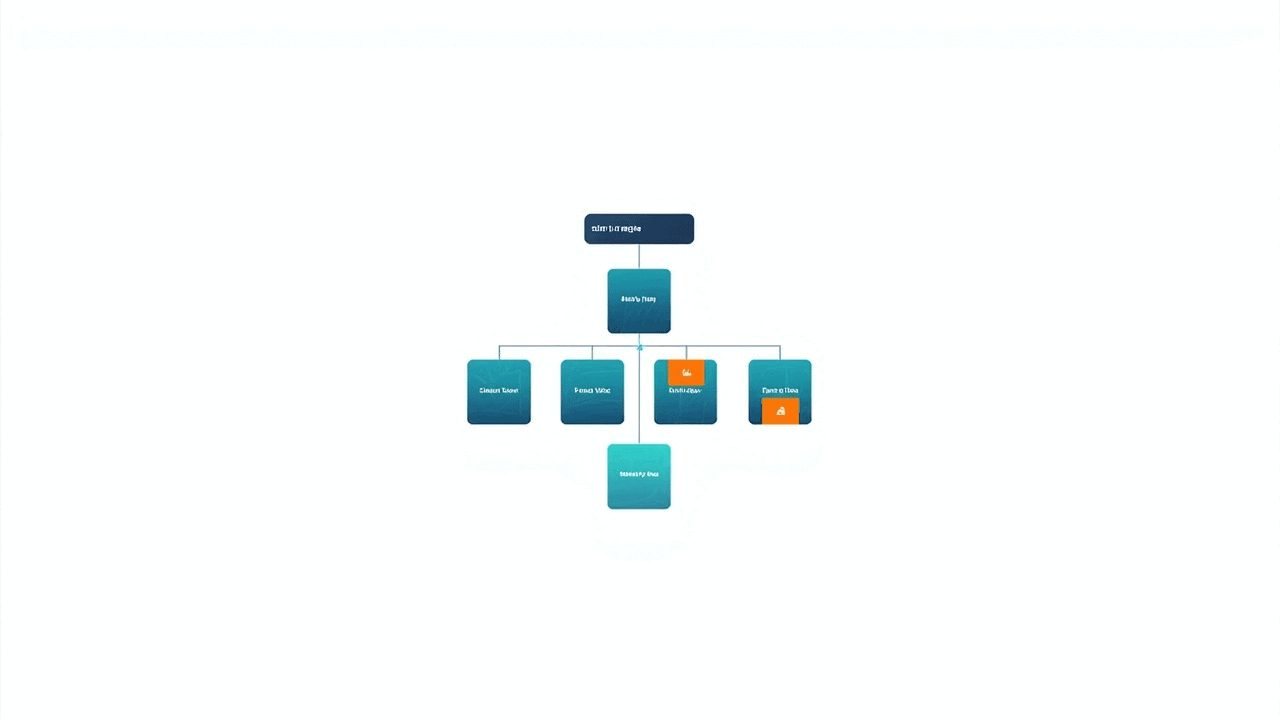
Does your brand need a separate Tennessee service page?
You opened in Tennessee. Business is growing. Now you are thinking about Georgia or Alabama. Your website works fine for now. But you keep wondering — should each state get its own page? Or does one good page cover everything?
The honest answer is: it depends. But the factors that drive that decision are predictable. You can work through them before you build anything.
A separate service page earns trust faster in markets where the buyer has never heard of you. It gives search engines a clear signal about where you operate. And it reduces the chance that a prospect in Memphis thinks you only serve Nashville.
What changes when you cross the Tennessee state line
Every state has its own rules for registered agents. The Tennessee Secretary of State requires a designated registered agent for any LLC or corporation formed in the state. That agent must have a physical address in Tennessee. If your registered agent is based in Nashville but you serve customers in Knoxville, that is fine — the agent just needs to be reachable in-state during business hours to receive service of process.
The real question is not about the law. It is about what your customer expects when they search for a service in their city. A buyer in Memphis searching for “registered agent Tennessee” is not thinking about the legal definition of service of process. They are thinking about whether you understand their state, their deadlines, and their local filing requirements.
That expectation gap is where separate service pages earn their keep. A buyer who lands on a page that talks about Tennessee annual report deadlines, Tennessee registered agent requirements, and Tennessee Secretary of State filing windows feels understood. A buyer who lands on a generic page that could apply to any state feels uncertain. That feeling of being understood is what converts browsers into customers.
The search data backs this up. Location-specific search queries have grown steadily as small business owners have become more comfortable doing business across state lines. In 2026, more small businesses are expanding multi-state than ever before, and they are searching for local partners to support that expansion.
When someone in Chattanooga searches for “registered agent Tennessee,” they want to see Tennessee-specific information. They want to know you understand Tennessee filing deadlines, Tennessee annual reports, and Tennessee registered agent requirements. A page that covers all 50 states in one paragraph does not give them that confidence.
A Tennessee-focused service page gives them exactly what they need. That is why brands that operate multi-state are building them.
Three signs you need separate service pages
You have different service offerings by state
If you offer registered agent service in Tennessee and a different bundle in Georgia, one page cannot hold both without confusing the reader. Separate pages let you speak directly to each market. Each page can list the services available in that state, the pricing for that state, and the state-specific compliance requirements. Buyers get a clear answer. You get higher conversion.
Your customers search by state, not by brand name
Most buyers do not search for your company name when they need a registered agent. They search for “registered agent Tennessee” or “LLC formation Georgia.” These are state-intent searches. If you have one generic page, you are trying to rank for fifty different state-intent queries at once. That is hard. Separate pages make it easier. Each page can target its own state-intent keyword cluster.
Research from the U.S. Small Business Administration shows that small businesses expanding to new states see a measurable lift in local search visibility when they add state-specific landing pages.
You are using a registered agent in one state to cover operations in multiple states
Some businesses form their LLC in one state — often Delaware — but operate in multiple states. This is called being a foreign LLC in the states where you do active business. If that is your situation, you need a registered agent in each state where you file as a foreign entity. One agent cannot cover all states. Your website should reflect this reality.
A page for each state where you are registered as a foreign entity shows your customers that you are present there. It also shows search engines that you are a credible, established business in that state.
When one page can work for multiple states
Separate pages are not always necessary. You may be able to use one page for multiple states if all of the following are true:
Your services and pricing are identical across states. If a registered agent in Tennessee costs the same as one in Georgia and offers the same features, one page can list both states without creating confusion. Some national registered agent providers operate this way — they have one pricing structure that applies across all 50 states, and one page that explains the general service. This works when buyers are choosing primarily on price and brand trust rather than state-specific features.
Your customers do not care which state you are registered in. Some buyers are looking for a service provider, not a state-licensed entity. If your customers are sophisticated buyers who understand that registered agents serve all states, a general page works fine. These buyers tend to be searchers who already know what a registered agent does and are primarily comparing providers on price, reputation, and customer service.
You are not trying to rank for state-specific searches. If you are focused on branded searches and general industry terms, separate state pages matter less. But if you want to capture state-intent traffic — buyers who search “registered agent Tennessee” or “Tennessee LLC formation” — you need state-specific content. State-intent searches represent a large share of the total registered agent search market, and ignoring them means leaving traffic on the table.
The key question to ask yourself is: are you trying to be found by buyers who know what they want and are searching by location? If yes, build separate pages. Are you trying to be found by buyers who do not yet know what a registered agent is and are searching generically? A general page may be enough for now.
How to structure multi-state brand architecture on your website
The most common approach is a main service page that covers the general offering, with a separate subpage for each state where you operate. The main page targets general keywords like “registered agent service.” The state pages target state-specific keywords like “registered agent Tennessee” and “registered agent Georgia.”
This structure gives you the best of both worlds. You have a central page for branded and general searches. You have state-specific pages for local search visibility.
The key is to make each state page genuinely useful. Do not just copy the main page and swap the state name. Write about the specific compliance requirements, filing deadlines, and annual report schedules for that state. The more specific the content, the more it earns trust from buyers and rank from search engines.
You can learn more about building a compliance calendar that covers all your registered states in our guide to the 50-state compliance calendar.
What Tennessee registered agents need to know in 2026
Tennessee requires every LLC to file an annual report with the Tennessee Secretary of State. You can file the annual report online through the Tennessee Secretary of State business services portal. The filing window opens on the first day of the anniversary month of your formation. Missing this window can result in administrative dissolution. That is a real risk for businesses that are not tracking it.
Tennessee also requires a registered agent with a physical address in the state. A P.O. Box does not qualify. If your current registered agent is based out of state, you need to either change your registered agent to someone in Tennessee or designate a commercial registered agent service that has a physical presence in the state.
The Tennessee Secretary of State offers online filing for most LLC documents. That makes it easier to stay compliant once you know the deadlines. But you still need a reliable system to track those deadlines across every state where you are registered.
Common mistakes multi-state brands make
Building pages that are too thin
A page with two paragraphs and a CTA is not a service page. It is a placeholder. Search engines can tell the difference. Thin pages do not rank. Buyers can tell the difference too — they bounce, and they do not convert. Each state page needs at least 800 words of genuinely useful content before you launch it.
Using the same content on every state page
If every state page says the same thing with only the state name swapped, Google may treat them as duplicate content. That hurts your rankings across all states. Give each page its own voice. Cover the state-specific details that matter to buyers in that state.
Forgetting to register as a foreign LLC
This is the compliance trap. You form your LLC in Delaware because it makes sense for your business structure. Then you start operating in Tennessee, Georgia, and Alabama. But you forget to register as a foreign LLC in those states. Now you are doing business in those states without proper authorization. The penalties vary by state but can include fines, back taxes, and the loss of your ability to enforce contracts in that state.
Registering as a foreign LLC in each state where you actively do business is not optional. It is a legal requirement. The SBA business registration guide covers the basics of foreign LLC registration across states. Your registered agent can often handle this registration for you, but you need to know which states require it and when.
The IRS has guidance on what constitutes doing business in a state. The general rule is that having employees, offices, or regular sales activity in a state typically triggers the need to register as a foreign entity.
How to decide: decision framework
Use this quick framework to decide whether you need separate state pages:
Do you have customers or employees in multiple states? If yes, you likely need separate pages.
Do you offer different services or pricing by state? If yes, separate pages are the right choice.
Are you trying to rank for state-intent search queries? If yes, separate pages are essential.
Do you register as a foreign LLC in multiple states? If yes, each registration is a reason to have a page for that state.
If you answered yes to two or more of these questions, build the separate pages. The investment in good content pays off in trust, conversion, and search visibility.
What this looks like in practice
Imagine you run a consulting firm. You formed your LLC in Delaware. You work with clients in Tennessee and Georgia. You do not have offices in either state. You operate remotely.
You still need a registered agent in both Tennessee and Georgia. You may need to register as a foreign LLC in both states depending on how much work you do there. Your website should have a Tennessee service page that explains your registered agent availability in Tennessee, your foreign LLC filing services for Tennessee, and your Tennessee compliance support. Your Georgia page should do the same for Georgia.
Each page targets buyers in that specific state. Each page answers the questions those buyers actually have. That is the architecture that works.
If you are just getting started with multi-state operations, it helps to understand the full landscape. Our guide to registered agent requirements by state covers what you need to know before you expand.
The brand coherence problem multi-state pages solve
There is a subtler reason to build separate state pages that most brands overlook. When you operate in multiple states but your website only shows one generic page, you look smaller than you are. A buyer in Tennessee who sees that you have a Tennessee page feels like they found a local provider. A buyer who sees a generic page wonders if you are actually in Tennessee or just pretending.
Separate state pages signal that you are present, active, and invested in each market you serve. That signal builds brand coherence across state lines. It makes your business feel larger and more established than it might otherwise appear.
This matters for trust. Small business owners who are new to multi-state operations are often nervous about working with a provider who does not feel local to them. A well-written Tennessee service page that mentions Tennessee filing windows, Tennessee compliance requirements, and the Tennessee Secretary of State reassures that buyer that you know their state. That reassurance converts.
You can see this pattern across many service businesses that have expanded multi-state. National brands that once had one generic website now build city or state-specific pages as they grow. The pages are not just for search engines. They are for the buyer who needs to feel understood before they click “buy.”
Frequently Asked Questions
Search
Close Search FormContact Us
Close Contact Form