Idaho AI Proposal Drafting in 2026: How Small Service Firms Send Quotes Faster
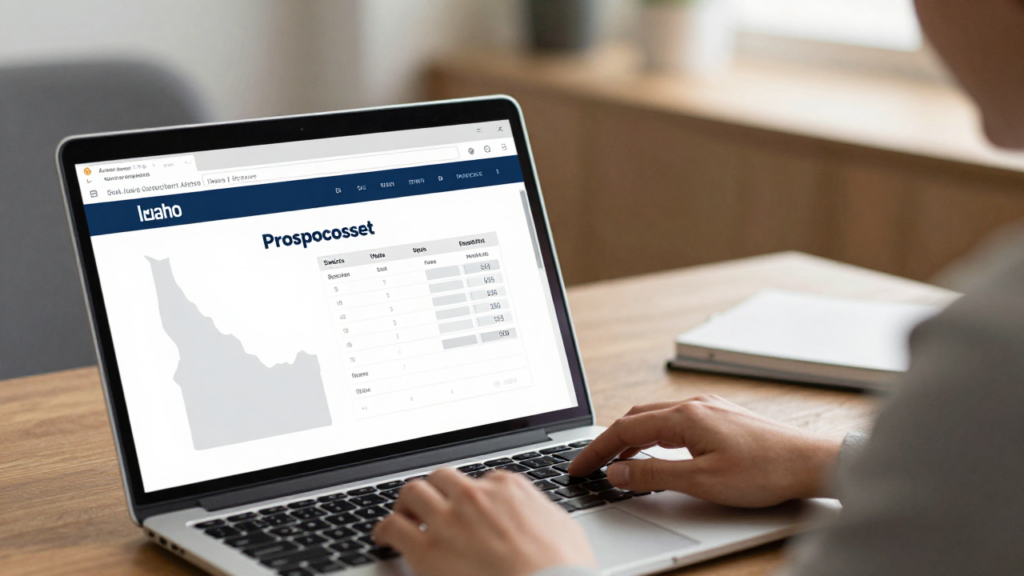
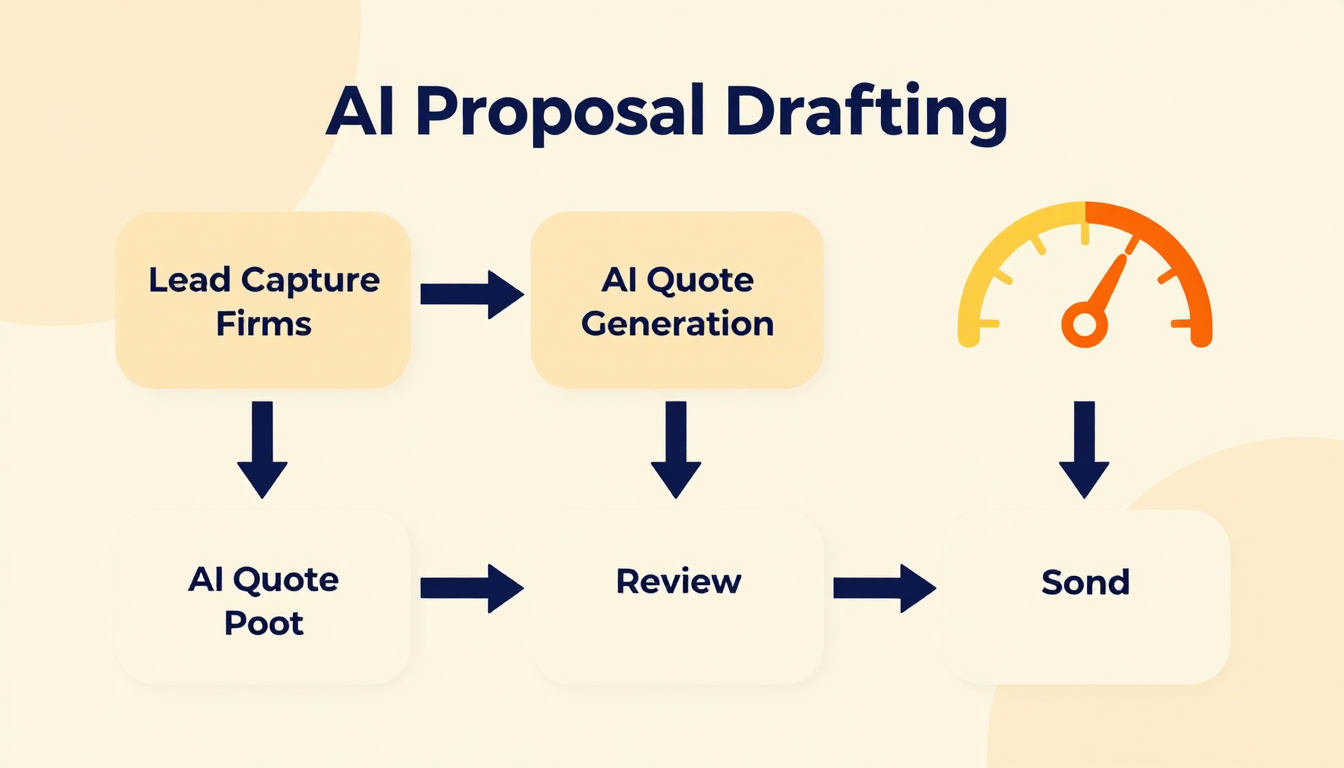
Your proposal is ready. The client is ready. The only problem is the proposal took you three days to write and the client needed it in three hours. That gap costs deals. Small service firms in Idaho lose work not because the price is wrong, not because the work is inferior, but because a faster competitor got a proposal there first. AI proposal drafting changes the math. It takes the proposal timeline from days to hours, sometimes minutes. This article covers what AI proposal drafting actually does, how Idaho small firms are using it right now, and how to pick a tool that fits a lean operation.
What AI Proposal Drafting Actually Means
AI proposal drafting is using a large language model to generate the first version of a business proposal. That includes the problem statement, the scope of work, the pricing, the timeline, and the call to action. The human role becomes editing, approving, and customizing. The AI handles the structure and the starting text. Most proposal AI tools connect to your client management system, your pricing sheets, and your service descriptions. The output is a complete draft you review before sending. It is not a finished document that goes out untouched. It is a foundation that saves you the blank-page problem.
Why Speed Wins in Small Service Firms
A small accounting firm in Boise competing for a restaurant group’s bookkeeping contract is not just competing on price. They are competing on responsiveness. The restaurant owner asks three firms for proposals on a Tuesday. The first firm sends a polished, detailed proposal on Wednesday. The second firm sends one on Friday. The third sends one the following Monday. The first firm wins. Speed is not a bonus in that scenario. It is the selection criterion. Our Idaho LLC document guide shows how organized small firms communicate more professionally. AI proposal drafting is part of that same professionalizing effect.
What Goes Into a Proposal That Closes
A winning proposal has five parts. First, a clear problem statement that shows you understand exactly what the client needs. Second, a scope of work that spells out what you will deliver and what you will not. Third, a pricing section with options where appropriate. Fourth, a timeline that shows when work starts and key milestones. Fifth, social proof that shows you have done this before for clients like them. AI proposal tools let you fill all five sections in under an hour. The editing step ensures accuracy. The speed advantage comes from eliminating the time spent staring at a blank document.
Idaho Small Firms and the AI Adoption Curve
Idaho’s small business community has moved faster on AI adoption than many expected. Bookkeepers, marketing consultants, HR advisors, and IT support firms in Boise, Meridian, and Idaho Falls have been adopting AI writing tools since 2023. By 2025, proposal drafting was among the top three use cases. The firms that adopted early report sending twice as many proposals in the same period. The ones that did not are still catching up. Proposal volume correlates directly with close rate, which makes this a revenue issue, not just an efficiency issue.
The Best AI Proposal Tools for Small Operations
The right tool depends on how your firm is structured. For solo advisors and single-operator consultancies, tools like Copy.ai and Jasper offer proposal templates that require minimal input. For firms with multiple service lines and tiered pricing, Pipedrive’s AI proposal builder or PandaDoc connect to your CRM and pull client data automatically. For accounting and financial service firms, there are industry-specific tools that understand standard engagement letters and scope documents. Most tools offer a free trial. Use the trial to draft one real proposal and evaluate whether the output needs more editing than it saves.
How to Structure Your Service Descriptions for AI
AI proposals are only as good as the raw material you feed them. If your service descriptions are vague, the AI output will be vague. If your pricing is organized, the AI can present it clearly. Before you start using AI proposal tools, write out three to five clean service descriptions. Include what the service solves, what is included, what the deliverables are, and what the starting price looks like. Feed those descriptions to the AI. The better the input, the faster the editing step becomes. An Idaho firm with clean service descriptions can have a proposal in front of a new prospect the same day the prospect asks for it.
Using AI Proposals Without Losing Your Voice
The most common objection to AI proposals is that they sound generic. That happens when the user accepts the first output without editing. The fix is not to avoid AI. The fix is to customize the output. Add a sentence about the specific client industry. Reference something the client said in the discovery call. Adjust the tone from formal to conversational if that fits your relationship. The editing step is where your firm’s personality lives. Skip it and the proposal reads like a template. Do it well and no one knows AI was involved.
Tracking Which Proposals Actually Close
Sending more proposals faster only matters if you are tracking the results. Log every proposal you send, the date, the client, the service, and the outcome. After three months, you will know which types of proposals close at what rate. That data tells you where to spend more time on customization and which service lines write themselves. It also tells you when a client did not close and whether speed was the issue. Our guide to Idaho annual report filing is another piece of professional organization that signals reliability to clients. Proposal tracking is part of the same organized-firm picture.
Common Proposal Mistakes That AI Prevents
The five most common proposal mistakes are sending one that is too long, missing the client’s actual problem, forgetting to include social proof, leaving pricing vague, and failing to include a next step. AI tools are good at preventing the structural mistakes — being too long, missing sections, leaving out social proof. The human editing step catches the client-specific errors. Together, the AI plus the editor produces a better result than either one alone. Small firms that combine AI speed with careful human review consistently outperform firms that write proposals manually and skip the review step.
Proposals, Idaho Business Licensing, and Professional Credibility
Clients in regulated industries will ask to see your Idaho business licenses before signing. Having your Idaho business filings in order reinforces the credibility your proposal creates. A polished proposal followed by a client discovering you are not properly licensed destroys trust instantly. The proposal and the compliance foundation have to move together. This is especially true for construction contractors, real estate professionals, and financial advisors working in Idaho.
Getting Your First AI Proposal Done This Week
Start with one client you are already in conversation with. Build a proposal using an AI tool, using your existing service descriptions as the base. Spend fifteen minutes editing it. Send it. Track the response. That one loop teaches you more than any comparison article. Most firms that try this approach send their second AI proposal within the same week. The ones who keep delaying never get the learning. Your first AI proposal does not need to be perfect. It needs to exist and go out faster than you would have sent one without AI.
Frequently Asked Questions
What is AI proposal drafting?
AI proposal drafting uses a large language model to generate the first version of a business proposal. The human reviews and customizes the output before sending it to the client. It eliminates the blank-page problem and cuts proposal time from days to hours.
Does an AI proposal sound generic?
AI proposals sound generic if you accept the first output without editing. Customizing the client-specific details, tone, and social proof during the review step makes the final proposal sound like your firm. The editing step is where your voice lives.
What tools do small service firms use for AI proposal drafting?
Copy.ai and Jasper work well for solo advisors. Pipedrive and PandaDoc connect to CRM and pricing data for firms with multiple service lines. Most tools offer a free trial that lets you draft one real proposal before committing.
How does AI proposal drafting help Idaho small firms compete?
Idaho small firms compete with larger firms on responsiveness, not on size. AI proposal drafting lets a two-person shop send a polished proposal the same day a prospect asks, which wins deals that go to faster competitors.
Should I track which proposals close?
Yes. Logging every proposal you send and its outcome tells you which types of proposals close, which service lines write themselves with AI, and whether speed is a factor in your close rate. That data guides where to spend more customization time.
What common proposal mistakes does AI help prevent?
AI prevents proposals that are too long, missing sections, missing social proof, and vague on pricing. The human editing step catches client-specific errors and customizes the output. Together they produce better results than either alone.
Idaho Small Business AI Guide
Idaho AI Proposal Drafting in 2026
Your small service firm in Idaho can send a polished proposal in hours, not days. AI proposal drafting tools make that possible. Rapid Registered Agent shows you how to pick the right tool and use it without losing your voice.
- AI Proposal Tools
- From Days to Hours
- Service Descriptions
- Clean Input = Fast Output
- Proposal Tracking
- Know What Closes